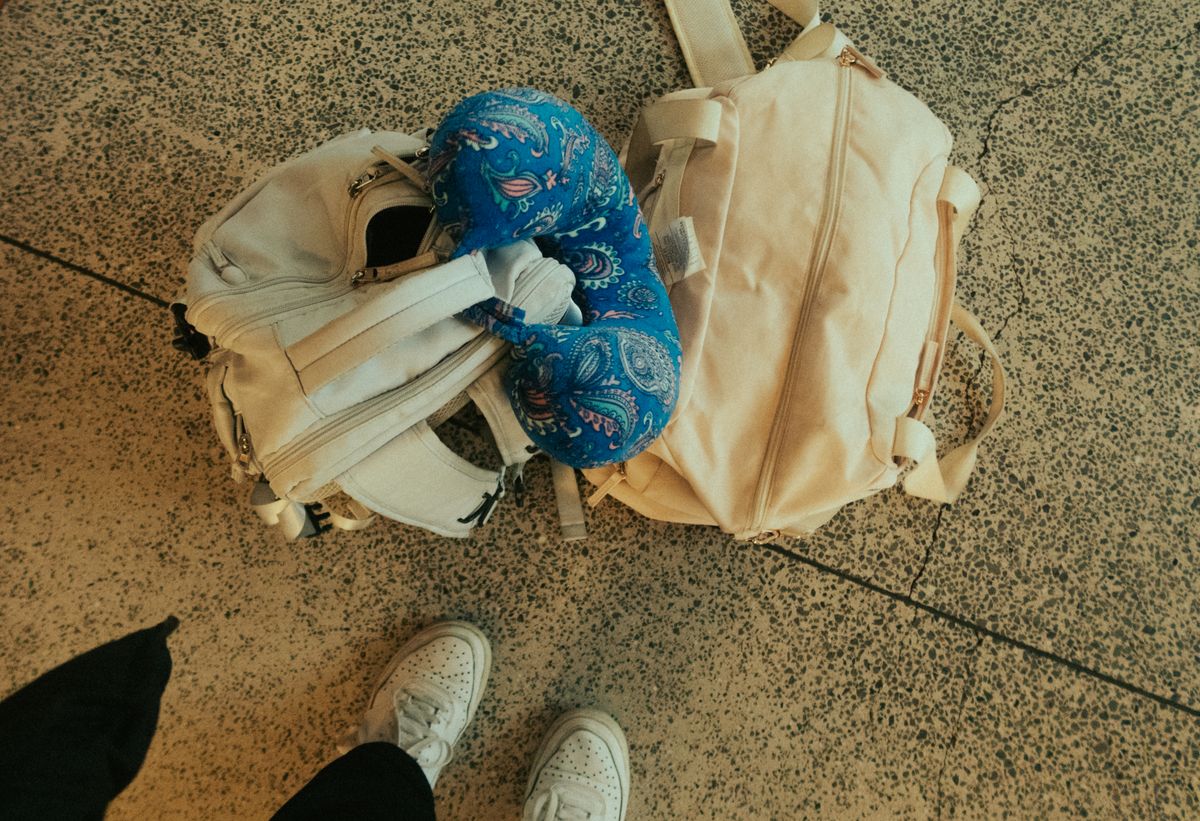
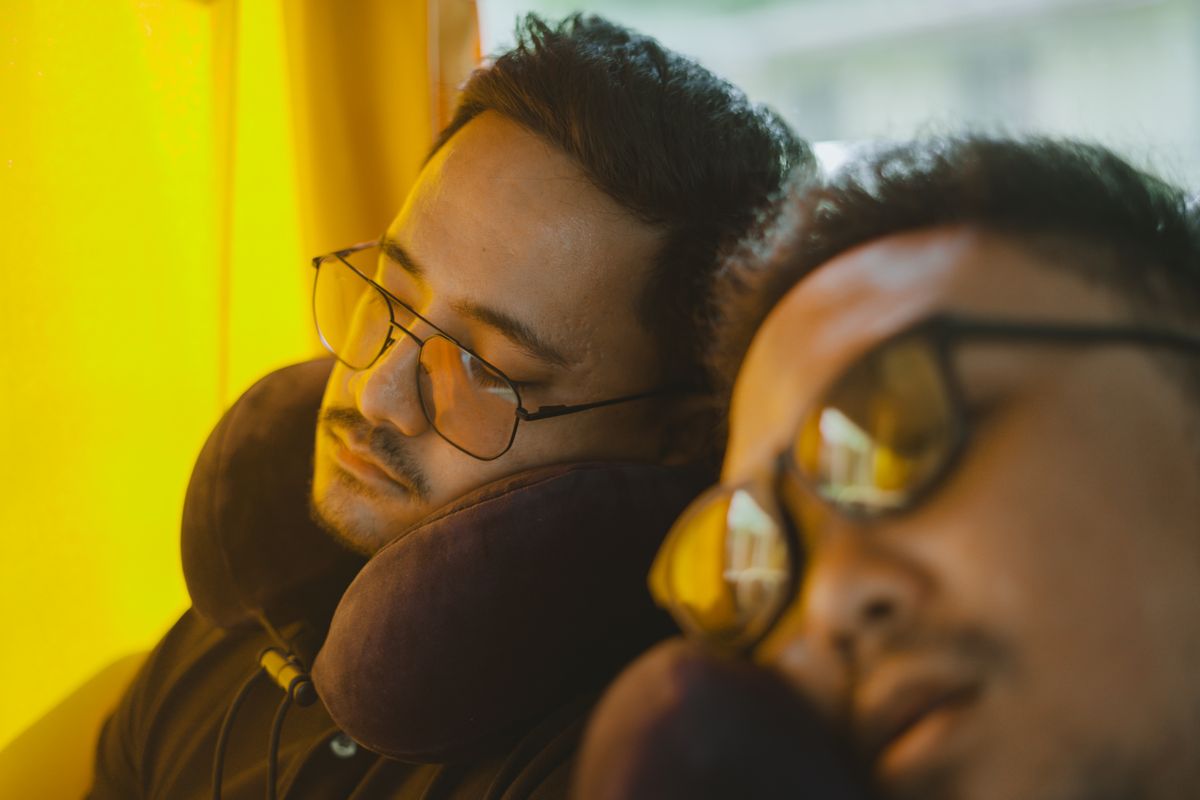
Stabilize the body
Long periods of sitting can make poor posture feel more noticeable. A travel pillow should support your preferred seated position without forcing you into an unnatural angle.
A refined system for making airports, flights, road trips, rail journeys, and long travel days feel more controlled. Build comfort through support, light management, organized access, reduced clutter, and a deliberate transition between movement and rest.
Comfortable travel is not created by one accessory. It comes from a coordinated system that reduces physical strain, limits unnecessary searching, protects moments of rest, and keeps essential items within predictable reach. The goal is to make the journey feel calmer without making your travel setup larger or more complicated.
Long periods of sitting can make poor posture feel more noticeable. A travel pillow should support your preferred seated position without forcing you into an unnatural angle.
A sleep mask can create a more consistent rest environment when cabin lights, screens, windows, terminals, or changing schedules make darkness difficult to maintain.
Comfort declines quickly when every cable, card, pair of sunglasses, or personal item requires opening several compartments to locate.
A clean arrival routine helps shift from transit mode to destination mode by separating used items, restoring your essentials, and reducing unnecessary clutter.
You cannot control every delay, seat, temperature change, or noise source. You can control how your essentials are organized, how quickly you can transition into rest, and whether comfort gear is accessible when the environment changes.
Use compact support where long seated periods create fatigue, especially during flights, trains, buses, and extended terminal waiting.
BodyCreate a more consistent visual environment with a sleep mask when cabin lighting or daylight interferes with rest.
RestKeep technology, toiletries, documents, and small essentials in separate systems so retrieval remains fast and predictable.
AccessProtect eyewear, electronics, documents, and sensitive items from pressure, spills, and unnecessary contact with the main packing volume.
SafetyKeep enough organization intact that arrival does not become another unpacking problem immediately after a long journey.
ResetA good travel setup responds to phases. What matters at the terminal is different from what matters after boarding, during a rest window, or immediately after arrival. Organize around transitions rather than keeping every item equally accessible.
Keep travel documents, phone, eyewear, and essential technology accessible while minimizing loose items.
Move only the items you expect to use during transit into the most accessible personal-item zone before sitting down.
Keep comfort tools within reach so you do not repeatedly stand up, open overhead luggage, or disturb your packing system.
Use support and light control deliberately, then secure anything that may fall, slide, or become difficult to locate when you wake.
Restore documents, charging gear, sunglasses, and comfort accessories to their assigned zones before beginning the next leg of the trip.
Rest during travel is easier when the setup does not need to be invented after you are already tired. A small sequence helps transform a seat from active transit mode into a more deliberate rest environment.
Put documents, phone, and loose accessories into one stable location before trying to rest.
Adjust your travel pillow for your actual seated posture rather than using it automatically in one fixed orientation.
Use a sleep mask when changing cabin lighting, windows, or screens make the visual environment inconsistent.
Move anything you are likely to need later into an accessible zone before settling into rest.
After resting, return comfort gear and small essentials to their assigned places before the next transition.
The most useful comfort accessories are the ones that solve a specific problem without becoming another item to manage. Roamelle's travel categories can work together as one coordinated system rather than isolated pieces.
Compact seated support for flights, trains, road trips, and long waiting periods.
Portable light control for cabins, hotels, lounges, and changing sleep environments.
Protected easy-access eyewear for bright arrivals, outdoor transfers, and destination movement.
Structured storage for charging cables, adapters, and compact technology essentials.
A consistent access point for identification, cards, documents, and important journey information.
Dedicated containment for personal-care items so rest and refresh essentials remain organized.
Hands-free carrying for immediate-access essentials and comfort gear during active transit.
Flexible short-trip storage for comfort items, clothing, and personal travel essentials.
Structured cabin travel storage for clothing, organizers, and the main trip system.
Higher-capacity storage for longer trips while keeping the in-transit comfort system separate and accessible.
Once seated, the most efficient setup uses only what you need for the next phase of the journey. Keep the immediate environment controlled instead of surrounding yourself with every item carried through the airport.
Clothing and larger toiletries can stay inside the main luggage. Items used during the journey should remain in a compact personal-access layer that can be opened without disturbing the entire packing system.
Before trying to rest, check that your passport, identification, phone, and other critical items are secure rather than loose in the seat area.
Keep accessible before the rest period begins.
Store in a clean quick-access pocket.
Secure before sleeping or moving away from the seat.
Keep charging accessories grouped rather than loose.
Protect sunglasses from pressure and accidental damage.
Keep only the small items required during transit accessible.
The first few minutes after arrival can determine whether your travel system stays organized for the rest of the trip. Reset the small things early so clutter does not accumulate across multiple days or destinations.
Put documents, payment cards, technology, and eyewear back into their assigned locations.
Prepare comfort items for the next journey instead of leaving them buried in the main luggage.
Keep worn items, fresh clothing, toiletries, and travel accessories clearly divided before the next packing cycle begins.
A short comfort audit can prevent small inconveniences from becoming repeated travel frustrations. Check accessibility, organization, support, and recovery before leaving home.
Confirm that your pillow can be reached without opening the main clothing section of your luggage.
Keep your sleep mask in a clean, predictable quick-access area before boarding.
Make sure identification and journey documents can be secured before you attempt to rest.
Group charging cables, adapters, and compact accessories inside a dedicated organizer.
Store sunglasses where they remain easy to reach without being compressed by heavier items.
Keep toiletries and refresh essentials contained separately from clothing and electronics.
Plan to bring only the items you actually need into your immediate seat or resting area.
Know where comfort items and documents will return immediately after transit ends.
Roamelle pairs practical travel products with a clear U.S. customer-care experience, from ordering and delivery through post-purchase support.
Customer support is available around the clock when assistance is needed.
Every product includes free shipping with no additional standard shipping charge.
Orders are delivered within an estimated 3–5 business day delivery window.
Eligible purchases can be returned or exchanged free within 30 days.
The best comfort system is compact, predictable, and easy to reset. Support the body, control the environment, organize the essentials, and keep the next transition simple.