Transit Layer
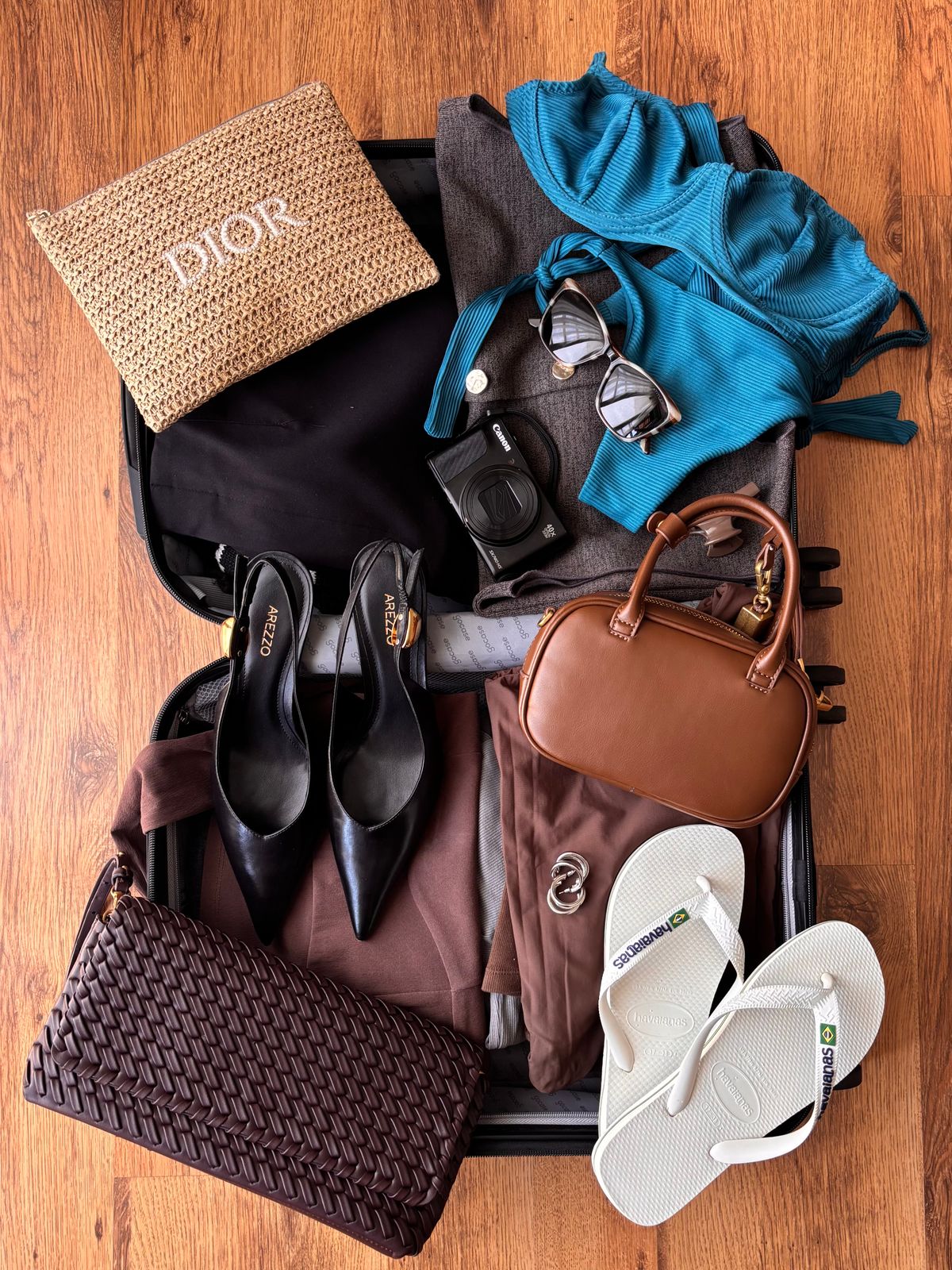
Keep your passport, wallet, phone, charging cable, sunglasses, and other airport-critical items in one predictable access zone. The goal is to avoid searching through the main luggage compartment while moving.
Roamelle Field Intelligence
A sharper system for moving through the world.
Travel becomes easier when every object has a role, every pocket has a purpose, and every transition is considered before departure. This journal explores practical packing systems, airport-ready organization, luggage strategy, recovery essentials, and refined routines for moving with less friction.
Packing / Layer 01 Carry-On Architecture
The most efficient suitcase is not necessarily the one that holds the most. It is the one that lets you reach what matters without dismantling everything around it.
Start by separating travel items into three access layers: items you need while moving, items you may need during a delay, and items that can remain untouched until arrival. Documents, chargers, toiletries, eyewear, and sleep accessories should never compete with deep-storage clothing for immediate access.
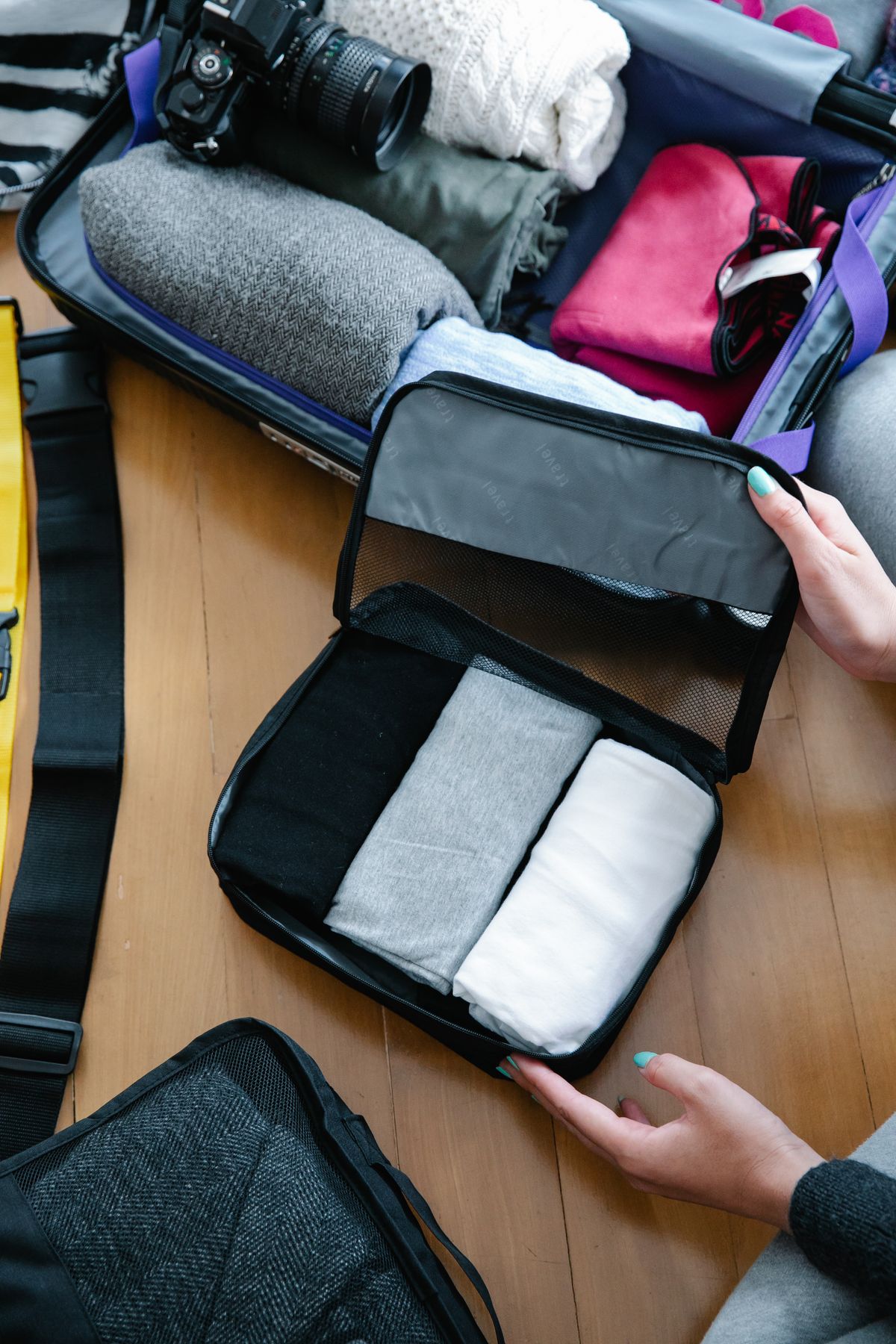
A structured carry-on, travel backpack, tech organizer, toiletry bag, and document wallet can create a modular system where every category stays visible, contained, and easy to return to its place.
Keep your passport, wallet, phone, charging cable, sunglasses, and other airport-critical items in one predictable access zone. The goal is to avoid searching through the main luggage compartment while moving.
A travel pillow, sleep mask, toiletry essentials, medication, and a fresh layer of clothing can turn an unexpected delay into a manageable pause. Keep these items separate from deep storage.
Clothing, backup footwear, larger toiletries, and low-frequency items belong deeper in the case. Grouping them by category keeps unpacking cleaner and makes repacking faster when the journey continues.
Pre-Flight Diagnostics
Luggage decisions work better when they begin with movement, not volume. Before packing, map the trip across duration, transportation, weather, access, and how often you will change locations.
Diagnostic / 06 Signals
A two-day city stay, a seven-day flight, and a road trip can require entirely different luggage architecture even when the destination looks similar.
Count nights, but also count outfit changes, activity types, laundry access, and expected climate shifts.
Decide whether avoiding baggage claim matters more than carrying additional capacity. This determines whether carry-on or checked luggage becomes the primary platform.
Stairs, trains, walking routes, rideshares, hotel changes, and uneven streets all affect how much luggage remains comfortable.
Laptops, tablets, chargers, adapters, headphones, and batteries should be grouped before the main luggage plan is finalized.
Red-eye flights and long layovers make travel pillows, sleep masks, personal-care items, and comfort layers more important than they would be on short daytime travel.
Leave enough unused space for souvenirs, purchases, laundry, or a less perfectly packed return journey.
Travel Mode Selection
Instead of treating every journey like the same packing problem, match your main bag to the way you expect to move.
Best for short flights, rapid airport exits, compact itineraries, and travelers who value direct movement over extra volume.
Better suited to longer stays, layered climates, expanded wardrobes, and journeys where extra capacity matters more than maintaining everything overhead.
Designed for road trips, quick hotel stays, overnight movement, and journeys where a flexible top-opening format is more useful than rolling luggage.
Built for hands-free movement, train transfers, airport transitions, and travelers who expect to stay mobile between transportation and destination.
Roamelle Gear Matrix
A well-built travel system is not a pile of accessories. It is a network of specialized pieces that reduce searching, protect important items, and simplify every transition from departure to arrival.
Organization / Layer 02 Controlled Packing
The best packing system is one you can rebuild quickly after the first hotel, the second flight, and the final morning of the trip.
Instead of placing items wherever space remains, assign consistent zones inside your luggage. Keep technology together, documents together, personal-care items together, and clothing arranged by use frequency. Repetition creates speed because you no longer need to remember where something was packed.
The system should remain understandable even after several days of movement. If every stop requires a complete unpack and reset, the layout is working against the journey.
Airport Flow Protocol
Airport friction usually appears during transitions: check-in, security, boarding, seat setup, arrival, and ground transfer. A deliberate travel system keeps the right items accessible at each stage.
Keep identification and travel documents in one location before entering the terminal. Avoid placing them inside the main luggage compartment.
Technology, liquids, and travel documents should be grouped so required items can be removed and returned without disturbing everything else.
Move anything needed during the flight into a personal access zone before storing your main bag.
Keep charging, headphones, sleep mask, travel pillow, and small personal-care essentials within easy reach without opening overhead luggage.
Prepare sunglasses, transportation details, phone, wallet, and destination information before leaving the terminal.
At the destination, restore chargers, documents, toiletries, and transit gear to their assigned zones before the next movement.
Micro Systems
The smallest categories often create the most friction when left loose. Toiletries, cables, documents, sleep accessories, and eyewear become easier to manage when each has a dedicated system.
A tech organizer keeps the objects that power your journey together and easy to audit before departure.
Keep identity and travel records in one deliberate place instead of distributing them across several pockets.
A dedicated toiletry bag separates everyday personal-care products from clothing, technology, and travel documents.
Small comfort tools become more valuable as travel time increases and normal routines become less predictable.
Sunglasses work best when they remain accessible during the transition from cabin to destination.
Unused capacity is not wasted. It is a buffer that absorbs changes throughout the journey.
Field Notes Archive
Short operational principles for packing, luggage selection, airport access, organization, recovery, and destination reset.
If you repeatedly need an item between curbside and your seat, it should live in a location you can reach without opening the main compartment.
Review Packing SystemLarger luggage only becomes useful when the extra interior space remains organized. More capacity without zoning can simply create more searching.
Open Gear MatrixFor short trips, place the first things you expect to use nearest the opening. Sequence reduces unnecessary unpacking during a quick hotel stay.
Compare Travel ModesA travel backpack should improve mobility, not become a portable storage problem. Keep frequently accessed objects balanced and predictable.
Review Mobility ModeTechnology errors are harder to solve after departure. Confirm cables, plugs, adapters, and power before finalizing the rest of the bag.
View Tech SystemA predictable document location reduces uncertainty at check-in, security, boarding, immigration, and ground transportation.
Review Document ControlKeep the personal-care items used every day distinct from larger backup quantities. This reduces the amount you need to handle.
Review Care ZoneOn long journeys, recovery tools are not extras. A travel pillow and sleep mask can help protect rest opportunities during irregular travel hours.
Review Recovery KitBefore arrival, move sunglasses, documents, payment, transportation details, and your phone into their active positions.
Review Arrival FlowRestore loose travel essentials to their assigned zones soon after arrival. The next departure becomes easier when the system remains intact.
Review Reset SequenceA tightly packed case may look efficient at home but creates unnecessary pressure when plans change or new items enter the system.
Review Pre-Flight SignalsA consistent travel layout reduces decisions. Keep successful packing zones similar from trip to trip and adjust only what the itinerary requires.
Run Packing AuditFinal Packing Audit
A short final review can reveal missing essentials, unnecessary duplicates, and items placed in the wrong access layer.
Roamelle Service Standard
From planning your order to receiving and evaluating your travel gear, Roamelle keeps the buying experience clear, fast, and flexible for customers across the United States.
Customer support is available around the clock whenever you need help with an order, product question, or service request.
Every product ships free, helping keep the checkout experience straightforward without additional standard shipping cost.
Orders are delivered within an estimated 3–5 business day delivery window, helping you plan upcoming travel with greater clarity.
Eligible products can be returned or exchanged free within 30 days, giving you additional flexibility after delivery.
Travel System FAQ
Every answer remains closed by default. Open only the question you need.
Begin with trip duration, airline requirements, ground movement, wardrobe needs, and how important it is to avoid baggage claim.
Carry-on luggage prioritizes mobility and faster transitions. Checked luggage prioritizes capacity for longer or more complex itineraries.
Keep anything you may need during check-in, security, boarding, or the flight within easy reach.
Common examples include identification, travel documents, payment, phone, charging essentials, headphones, sunglasses, and small comfort items.
Technology accessories are small, easy to misplace, and often needed quickly. A dedicated organizer keeps cables, adapters, chargers, and related electronics in one predictable location.
Store essential documents together in one dedicated document wallet or secure access compartment. Avoid spreading passports, identification, boarding records, and payment cards across multiple bags.
Weekender bags work especially well for short hotel stays, road trips, overnight travel, and journeys where flexible top-opening access is more useful than rolling luggage.
Travel backpacks are useful when your journey includes frequent walking, train transfers, stairs, terminal movement, or situations where hands-free mobility matters.
They become especially useful during long flights, overnight travel, extended layovers, or journeys across time zones. Small recovery tools can help create more consistent rest conditions in unpredictable environments.
There is no single required percentage, but leaving a useful reserve makes return packing easier and creates room for purchases, laundry, additional layers, or changes to your itinerary.
Yes. Roamelle provides free shipping on all products. Orders have an estimated delivery time of 3–5 business days.
Roamelle provides free returns and exchanges within 30 days for eligible products, giving customers added flexibility after receiving an order.
Support Channel / 24–7
Our customer support team is available 24/7 for questions about Roamelle products, orders, shipping, returns, exchanges, or choosing the right travel setup for your journey.